What It Really Takes to Be Ready for Operational Intelligence
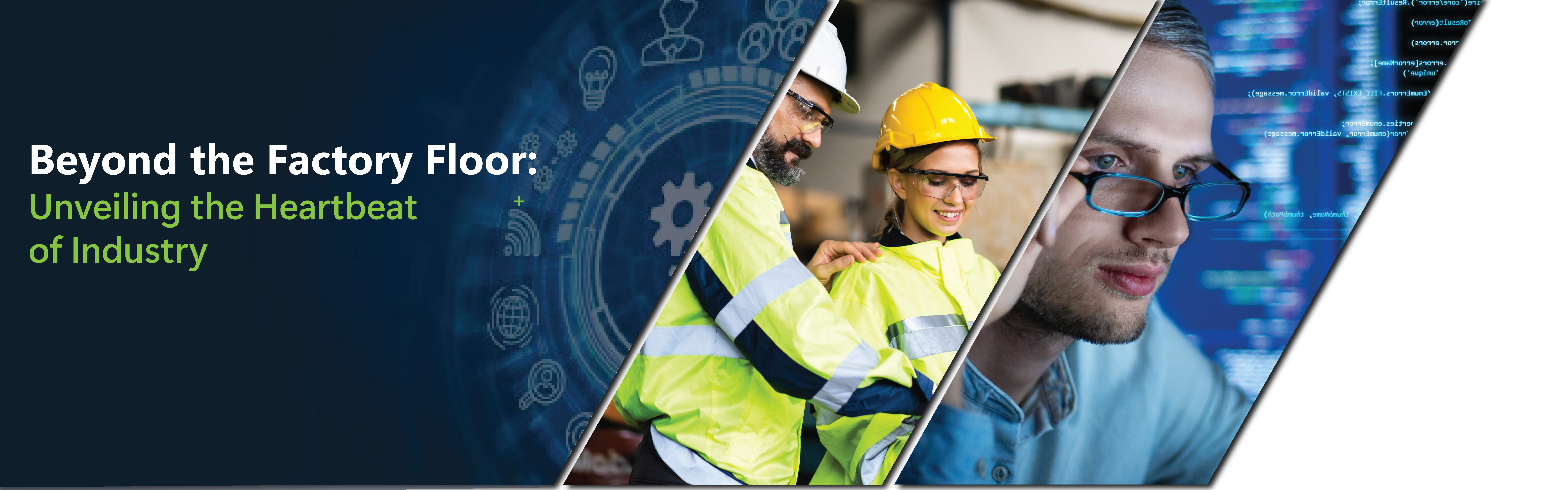
100 Days, One Idea, and a New Way to Think About Operational Intelligence Readiness with Rob Bansek and Devon Keane
The demo was flawless. Every chart lined up, every recommendation made sense, and everyone in the room walked out thinking the same thing: this can’t miss. Months later, the pilot has stalled, the team has moved on, and nobody can quite explain what went wrong.
If that sounds familiar, you’re not alone. It’s the same frustration that led Rob Bansek to pick up the phone and call Devon Keane about 100 days ago. As Rob remembers it, at the time he “didn’t have a job. I had an idea.” That call has since become the new Operational Intelligence practice at the InSource Solutions Group, now led by Devon. In the latest episode of our podcast, the two sit down to talk about why so many operational intelligence (AI) efforts fall short and what organizations can do differently.
Two Paths to the Same Problem
Rob and Devon came at the problem from opposite sides of the table. Rob spent six months asking vendors, customers, consultants, and integrators why new AI tools weren’t delivering. Every time he thought he’d found the answer, first data migration, then data readiness, the problem turned out to be bigger than that. Devon had lived it from the inside. Over a career that started in aerospace and defense and led to a manufacturing conglomerate spanning everything from building materials to mining, he watched smart, well-funded teams struggle to turn new technology into real results.
That contrast is what makes the episode worth your time. Rob is the big-picture thinker who has watched the industry go through more than one technology wave, and he’s quick to admit when InSource got it wrong. Devon is the product manager who wants to walk the process, talk to the people doing the work, and define what good looks like before anything gets built. One asks the big questions, and the other has the stories to answer them.
We’ve All Fallen for the Shiny Tool
Devon will tell you he’s as susceptible to new technology as anyone. “I want to get my hands on them. I want to play with them myself,” he admits. In a demo, where everything works perfectly together, it’s easy to believe a tool can’t miss. But wanting a tool isn’t the same as having a problem for it to solve. Devon calls it the classic “hammer looking for a nail.”
Rob is candid that this isn’t new, and that InSource has been here before. About 15 years ago, tools for downtime tracking, OEE, and SPC were the shiny new thing, and many manufacturers bought them expecting the software to fix the problem on its own. In Rob’s words, “We’re just seeing the next iteration of that shiny tool.”
So where should an organization start? With the problem, and with the right people in the room. Leadership, engineering, operations, quality, and maintenance all see the problem a little differently. The episode also points to one person who is left out of that conversation far too often, even though they may understand the problem better than anyone in the building. Once you hear who it is, you may start wondering whether they’re in the room at your organization.
Technology Is the Easier Part
One of Devon’s strongest points may surprise people who expect a technology company to lead with technology: “Technology is, more often than not, the easier part in this journey.”
Devon points out that organizations bring real rigor to a historian or MES implementation, then often rush into AI without the same discipline. The harder part is adoption, governance, and whether an organization is truly ready to solve the problem in front of it. Devon calls this organizational will, and it has become central to how the new practice thinks about readiness.
That idea becomes very real once AI starts making recommendations. At some point, a suggestion has to reach an operator on the floor. Does that person have the authority to act on it? What happens if the recommendation is wrong? Can the decision be reversed? None of these are data questions. They’re questions about people, process, and who gets to make the call, and they often decide whether a project succeeds.
Listen to the Full Episode
Hear Rob and Devon’s full conversation on what it really takes to make operational intelligence work, from the shiny tool to the people who make the final call.
Latest Updates
-
Blog
What It Really Takes to Be Ready for Operational Intelligence
-
Event
Workshop: Create Practical Industrial Workflows with AVEVA CONNECT
19 Nov, 2026 -
Event
Webinar – Predict before failure: Driving power reliability through advanced analytics and AI
04 Nov, 2026 -
Event
Hands-On Workshop: Creating a Visualization Dashboard with AVEVA CONNECT
22 Oct, 2026