AI Built For Industrial Operations

Are You Ready for Industrial AI?
Industrial organizations succeed with AI when it is applied to specific operational challenges, such as identifying the drivers of process variability, improving troubleshooting, and supporting better decisions around quality, throughput, and energy use. With the large volumes of data already being captured across industrial operations, there are new opportunities to turn that information into actionable insight. AI can help teams recognize patterns, surface abnormal conditions earlier, and better understand why performance is changing.
We support organizations implement a range of AI solutions, from configurable drag-and-drop platforms designed for operations teams to machine learning applications used by data science teams, helping them solve problems that range from predictive insights to prescriptive recommendations.
Your Path Forward with Industrial AI
Every manufacturer starts from a different place. The key is knowing what comes next.
Industrial AI is not a single project or platform. For most manufacturers, it is a progression that starts with a clear understanding of where AI fits, followed by building the right data foundation, improving trust in the data behind decisions, and identifying the operational problems where AI can create meaningful value.
We help organizations at the beginning of their journey through education and alignment.
For others, we help assess readiness, strengthen the data foundation, or use analytics to better understand performance before applying AI more broadly. When they are ready, we help them build a well-governed AI program with clear objectives, measurable success criteria, and proven industrial solutions from our technology partners. The important part is knowing where your operation stands today and what will move it forward with confidence.
How We Help
We help companies build a solid foundation and sustainable approach for launching AI initiatives that can grow over time. Here are some of the ways we help organizations overcome common barriers to AI success:

Assess Your Readiness for Industrial AI
Our Industrial AI Readiness Assessment helps you evaluate the data, systems, and operational foundations that support AI so you can identify gaps, understand where you stand, and prioritize the next steps with confidence.

Discuss Your AI Journey
The path to industrial AI looks different for every manufacturer. Whether you’re still exploring the possibilities, assessing readiness, or building the foundation to support it, InSource can help you identify the right next step for your operation.
Guides, Insights, and Tools for Industrial AI
-
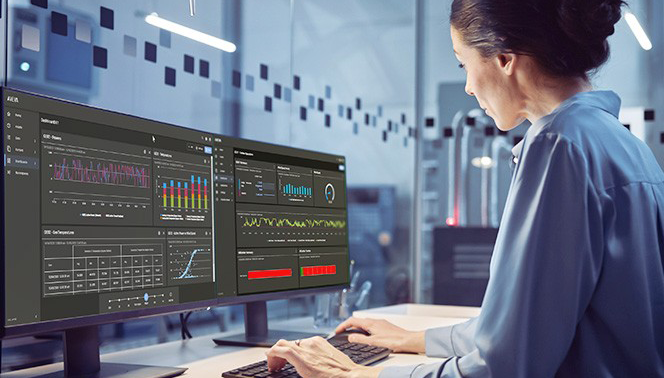
Blog
Are You Ready for Industrial AI?
-
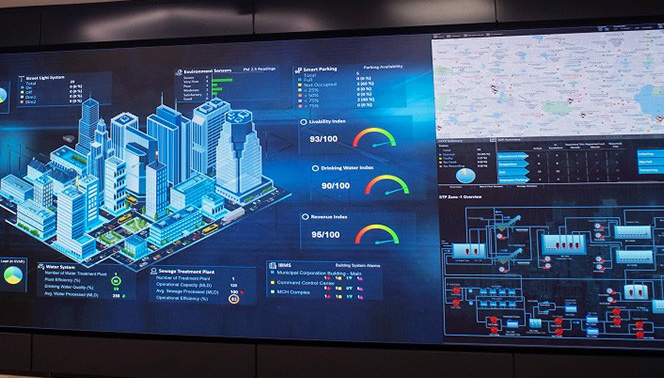
Guide
A Practical Guide to AI in Industrial Operations
-
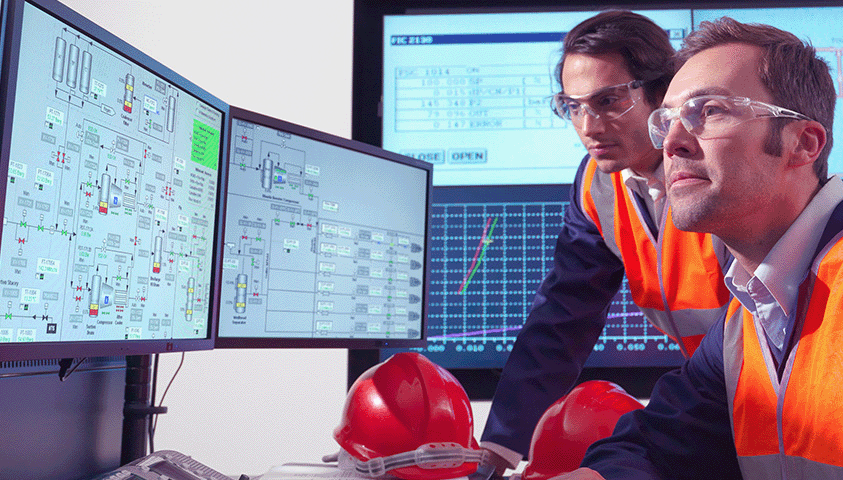 Where Does AI Actually Fit in Manufacturing?
Blog
Where Does AI Actually Fit in Manufacturing?
-

The Path to Industrial AI
The Path to Industrial AI
-
 Why Food Manufacturers Are Rethinking What Digital
Blog
Why Food Manufacturers Are Rethinking What Digital
-

Guide
The Industrial AI Readiness Guide